Dorothy Parker's final surprise almost 60 years after her death: Satirist famed for her biting humour who co-wrote A Star Is Born is unveiled as the wit behind mystery Life magazine poems published 100 years ago
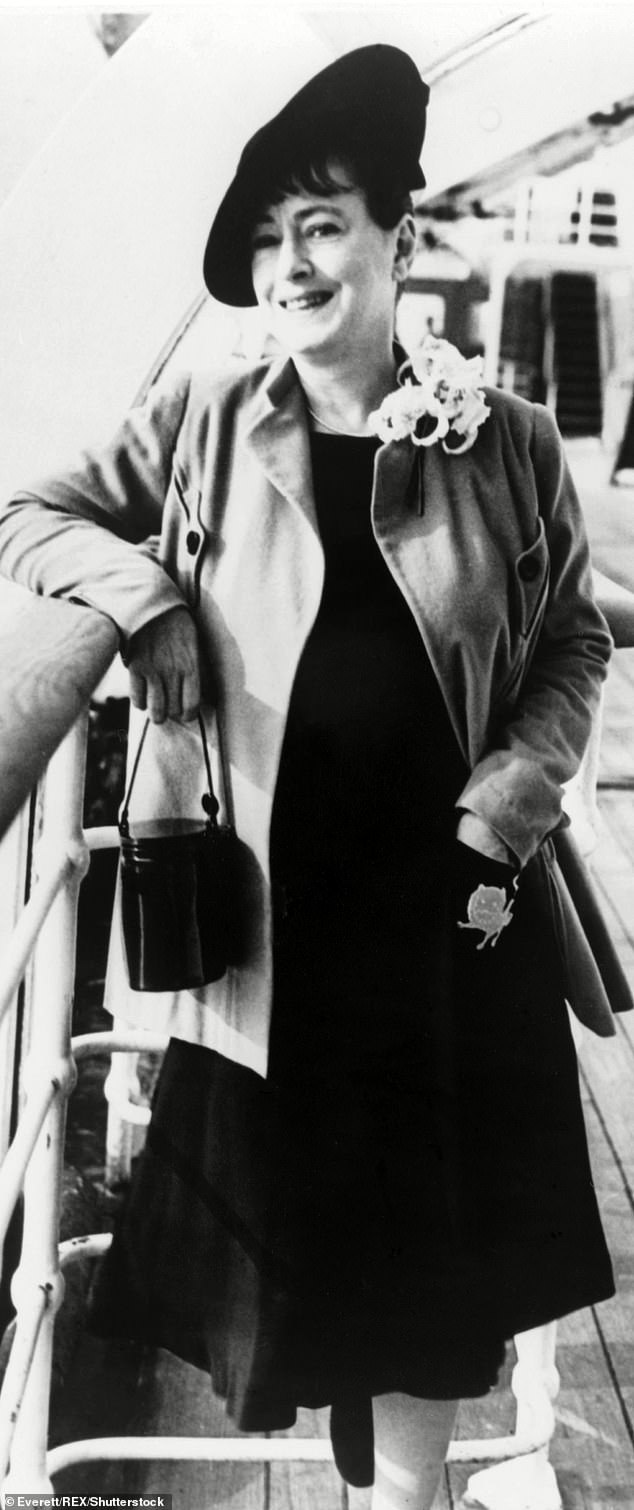
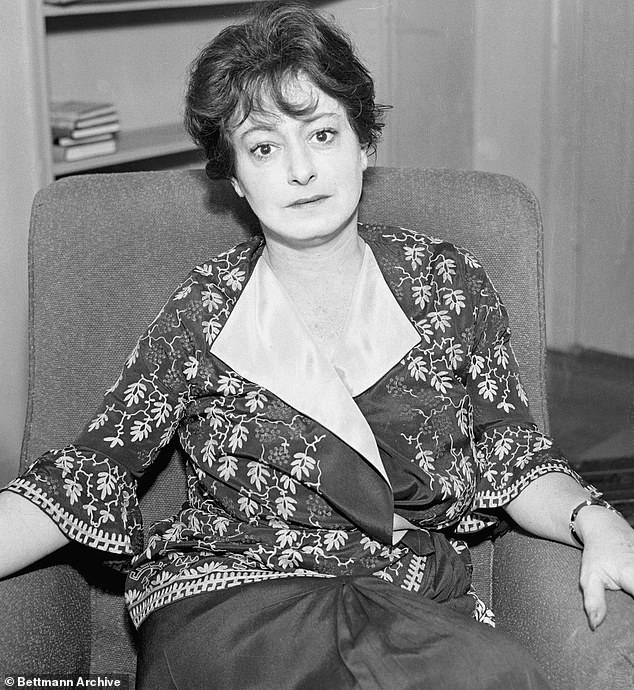
- This brilliant wordsmith and satirist, Dorothy Parker, stands out as one of the most illustrious minds of the 20th century.
- READ MORE:
A collection of anonymous comic poems, first published more than a century ago in the magazine Life, has now been discovered to be the work of celebrated satirist and screenwriter Dorothy Parker.
.
Seven of the texts were proven to be written by Dorothy, a discovery made by literary detective and Parker enthusiast, Stuart Silverstein.
The man stated that he thoroughly examined issues of Life magazine from 1921 and 1922 and concluded that Dorothy was the writer behind several articles featured in those editions.
Silverstein said: 'Parker has ventured a slight parody of popular poetic styles before, but this is the first time she has crafted such a series, each one showcasing her sharp, pointed wit.'
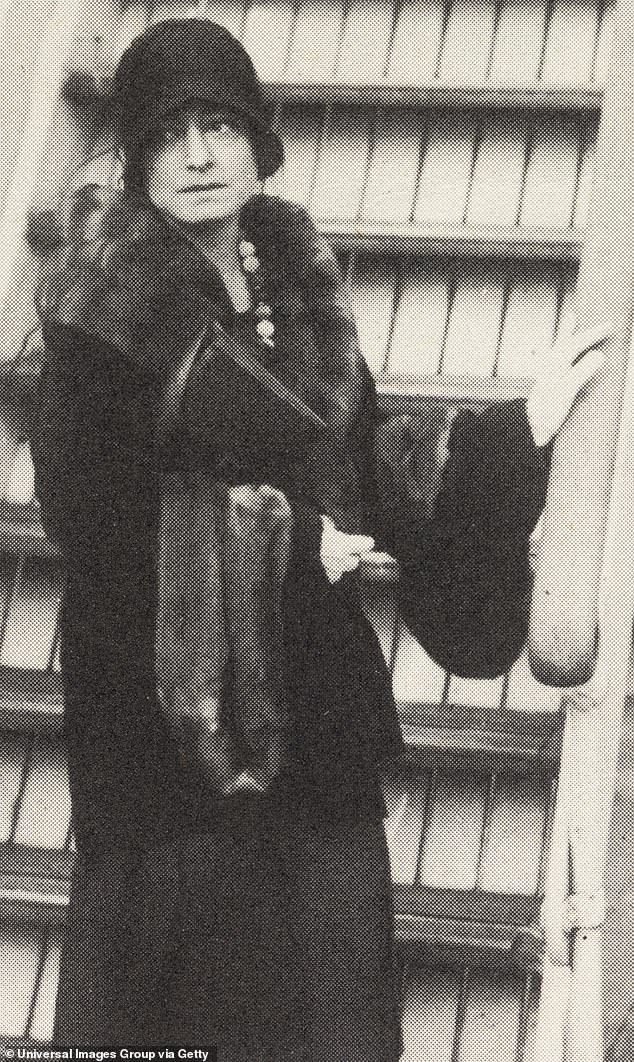
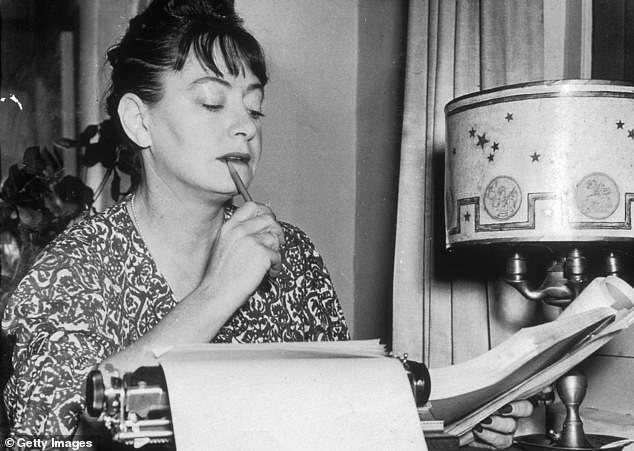
In one of her poems called "The Profane Column Conductor", she criticizes diarist Frank Adams, who writes in the style of Samuel Pepys, making fun of him for working in an office she describes as 'as vibrant as a deserted barn'.
Although the name Dorothy Parker is a household name, many have forgotten the extent of her influence and reach during her lifetime.
Dorothy, born in 1893, had a difficult childhood, as her mother passed away before her fifth birthday. It is stated that Dorothy did not have a loving relationship with her father, who married again after his first wife's passing, to Eleanor Frances Lewis, in 1900.
Dorothy was reportedly unhappy with her stepmother, referring to her as 'the staff member in charge of the household'. After Eleanor's passing in 1903, the young Dorothy was sent to a finishing school in New Jersey to continue her studies.
It is also stated that she had a more friendly and peaceful childhood.
Either way, t
It did not take long for Dorothy Dunnaramann to reach the pinnacle of her writing career, rising from a feature editor at Vogue to a staff writer at Vanity Fair in 1916, eventually becoming the magazine's drama critic.
The witty remarks that made Dorothy admired by her colleagues in fact caused her problems.
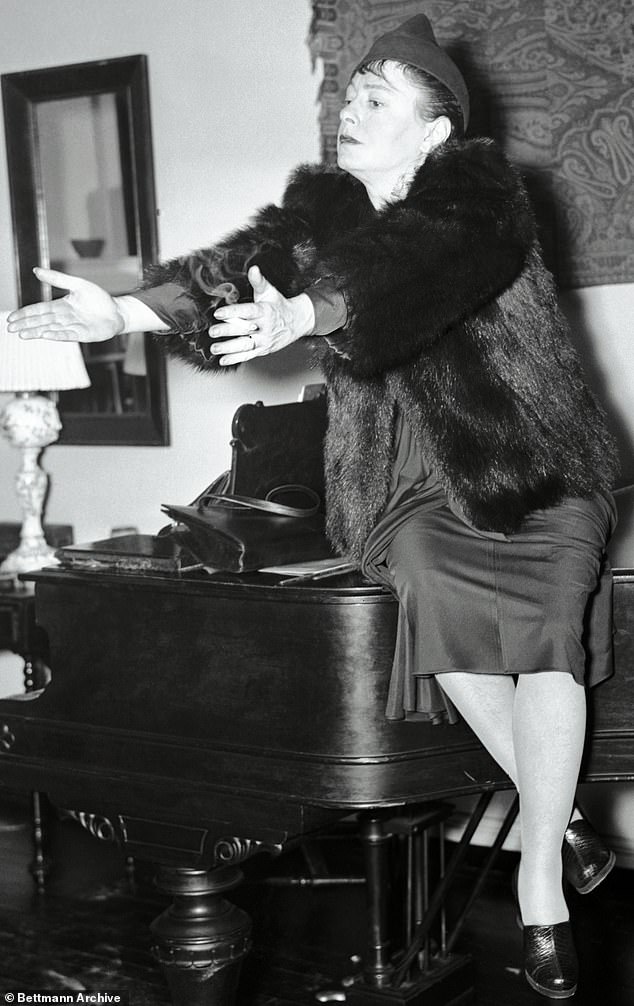
She was eventually dismissed from Vanity Fair after making a joke that was directed at Billie Burke, who coincidentally was the wife of one of the magazine's major advertising clients.
The incident did not stop her for long.
Throughout her illustrious career, her stream of work was incredibly vast: she had created numerous remarkable pieces.
"Dorothy Parker, the celebrated American poet and wits, left behind a legacy as captivating as her turbulent life. Her escapades in the literary world and the many details surrounding her departure remain a subject of considerable curiosity.
1. Dorothy Parker, one of the most acclaimed writers of the early 20th century, was a complex figure whose autobiographical works offered glimpses into her life.
2. Despite her notorious reputation, Parker's depth of feelings and passion towards her relationships are detailed throughout her writing.
3. A notable ñpart of her legacy lies within her poetry collection, 'Enough Rope,' in which she candidly delves into the volatility of her unhinged life, awkward relationships, and soul-crushing sorrows.
4. Derek Parker, her first husband, met her when she was a young woman of 22 years working in the literary industry.
5. Her hire was tremendous as she joined the influential New Yorker editorial staff and wrote her own articles and poetry throughout her career.
6. The vulnerable facets of Parker revealed through her writing offer a candid and poignant study of the inequities and reforms triggered by her traumatic life events.
7. Michelle Robertson, Dorothy's biographer, remarkably knitted together the portraits of people int his life, making Parker's account nothing but an ultimate 'bloody miracle.'
8. A myriad of acts exhibiting vodka-fueled fights of grave fury from her violent tempers through deep, heartfelt letters play a dire role in understanding the brutal trajectory of her life from annotations by painful justificatory and numbing lack.

Although Dorothy Parker had passed away in 1967, the tale of how she eventually found peace in 2021 is as remarkable as her remarkable life itself.
Dorothy's bequeathed the majority of her wealth to Dr. Martin Luther King Jr, following which it was inherited by the National Association for the Advancement of Colored People (NAACP) after his untimely demise.
Her remainders were left unattended in a crematory at Westchester for six years after her passing, since the details of what to do with them were not stated in her will.
These documents were then sent to the lawyer's office in Manhattan, but were not handled or looked at for another 15 years, during which they were left untouched in a filing cabinet.
The pigs were eventually returned to the Bronx in 2021 for their final burial.
After a long wait, she has arrived back in her own home, to a place that holds a special place in her heart. New York City "The Round Table Society, which was founded to preserve and promote the literary legacy of the Algonquin Hotel's legendary round table, will continue to thrive through its gradual growth and activities," said Kevin Fitzpatrick, the president of the non-profit group.
In 1917, she entered into her first marriage with Edwin Pond Parker II, a businessman dealing in stocks at Wall Street, from whom she divorced in 1928.
She is also noted as one of the foremost women in this field.
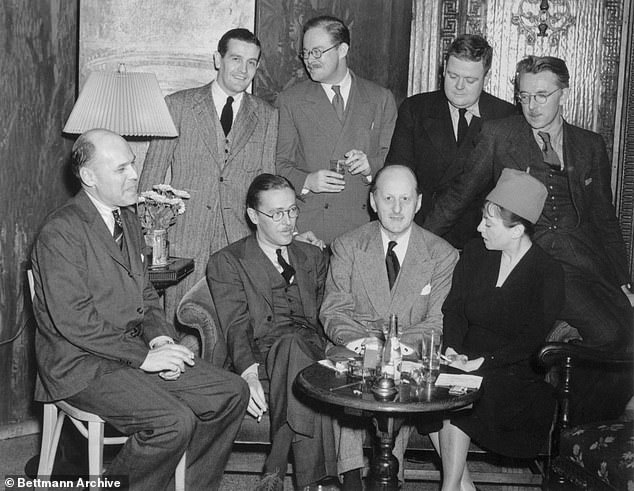
The group, which initially identified itself as The Vicious Circle, had been meeting daily for lunch for approximately ten years, spanning the period between 1919 and 1929.
During their gatherings, they crafted their witty remarks and humorous sayings,collecting them to be featured in newspaper columns.
Familiar faces include William Woollcott, Dorothy Parker, Robert Benchley, Heywood Broun, also known as F.P.A., George S. Kaufman, Herman Mankiewicz, Robert Sherwood and Harold Ross.
Franklin Pierce Adams, a journalist and group member, quoted Dorothy's witty remarks in his newspaper articles.
This earning her nation-wide fame, for her quotes that were witty and her sharp comebacks.
Among her many most famous return victories, one that stands out was when she was challenged to form a sentence using the word 'horticulture'.
'Malaysia:tough untuk mengarahkan kan kerjaya orang lain, tapi tidak pernahpasti seseorang dapat memikirkan kita.'
Dorothy was one of the founding members of The New Yorker's writing staff when it was first established in the year 1925.
For about a decade, Constance Reader wrote book reviews.
After the group disbanded in approximately 1932, Dorothy relocated to California, where she sought to hone her skills as a screenwriter.
Over there, she would gain success, resulting in two nominations for her screenwriting work - for a 1937 remake of "A Star is Born", and "Smash-Up: The Story of a Woman".
She then married Alan Campbell, an actor and writer, who was 11 years younger than her, in 1933, and the couple divorced him in 1947, later getting married again in 1950.
Throughout the next two decades, she devoted herself to creating more short stories and poems.
According to Dorothy, she found the poems to be more manageable to write, but the stories required more effort and patience.
As someone who strives for precision, she had to continually review every few words before moving forward.
Selaku orang yang tertarik dengan aktivisme, Dorothy mulai lebih terbuka mengungkapkan pendirinya tentang kebebasan sipil dan hak asasi manusia.
Her screenwriting career came to an end by 1950, as a result of her being blacklisted by Hollywood following her identification as a communist by the Red Channels pamphlet.
She was among 150 individuals whose names were included on a blacklist, effectively preventing them from ever working in the movie industry again.
As her desire to create more films waned due to the film industry's constraints, her worsening addiction to alcohol started to impact her writing, resulting in fewer written pieces.
Berdasarkan catatan sejarah, pada tahun 1927 dia telah dikenakan denda $5 untuk menentang eksekusi dua aktivis anarki, Nicola Sacco dan Bartolomeo Vanzetti, selain bekerja perjalanan ke Eropa untuk meningkatkan gerakan anti-fasis dan menjadi ketua nasional Badan Penolong Republikhal Anti-fasis Bersama.
Dorothy died from a heart attack in 1967 and left behind her estate, which was bequeathed to Dr. Martin Luther King Jr. Following his untimely demise via assassination in 1968, her inheritance fell into the possession of the National Association for the Advancement of Colored People (NAACP).
Her ashes were unclaimed for more than 30 years, only being laid to rest in 1988 by the NAACP in a Baltimore memorial garden.
Her remains were transferred (by train) to their last resting place, Woodlawn Cemetery in New York's Bronx district, in 2021.
Read more